
Address:
A-58, Basement, Panchsheel Enclave, New Delhi, Delhi, 110017
Call us:
9871276699
Help Desk orthoandrehab51@gmail.com | Today's Date: 03-10-2026

Recovering from a knee replacement is a major milestone, and physiotherapy plays a crucial role in how well and how quickly your knee heals. Many patients want to know when they will be able to walk comfortably, how to manage pain and swelling, and which exercises are safe and easy to perform in the initial weeks. Post-operative physiotherapy provides the answers and support you need throughout every stage of recovery.
For patients in Delhi, structured rehabilitation is especially important because daily routines like walking, climbing stairs, and moving around in busy environments are part of everyday life. With proper guidance and a personalized rehabilitation plan, you can regain confidence and resume normal activities within just a few weeks of treatment, without fear or hesitation.
At Panchsheel Orthopaedic and Physiotherapy Clinic in South Delhi, the focus is always on safe, evidence-based, and patient-centered recovery. This blog explains what to expect after knee replacement and how physiotherapy can help you regain strength, movement, and mobility.
Knee replacement provides relief from chronic pain caused by arthritis or injury, but the real difference is seen during rehabilitation. Physiotherapy ensures that your new joint heals properly, your muscles regain strength, and you can resume daily activities without placing stress on the operated knee.
Without proper physiotherapy, many patients struggle with weakness, limited bending, and difficulty walking even months after surgery. The guided recovery plan provided here prevents these problems.
Recovery treatment is divided into several phases. Each phase builds on the previous one and focuses on improving specific aspects of the patient’s recovery, such as mobility, strength, and function.
The first few weeks are crucial. The goal here is to control pain, manage swelling, protect the surgical incision and encourage gentle, safe movement.
Main priorities:
Typical exercises include:
Icing, elevation and compression stockings are commonly used to manage swelling. Your physiotherapist also teaches proper walking techniques using a walker or cane.
This stage focuses on strengthening and improving your walking ability. As pain decreases and movement improves, exercises become more progressive.
Goals during this phase:
Exercises may include:
Balance work begins here to reduce the risk of falls. Your physiotherapist also fine-tunes your walking pattern to prevent limping or uneven weight-bearing.
In this stage, you work toward returning to your normal routine at home and outside. The focus shifts to advanced strengthening, functional training and preparing your knee for long-term performance.
Goals of this phase:
Advanced balance exercises, resistance training and functional movement drills help you regain confidence. By this stage, most patients are walking independently and beginning to feel more natural movement in the knee.
Post-operative rehabilitation uses a combination of hands-on techniques, exercise therapy and technology-driven support. Each element works together to create a smooth recovery pathway.
If you get treatment through manual therapy, it improves the mobility of the joints and reduces stiffness. Techniques include:
These hands-on methods help the knee bend more comfortably and reduce tightness around the muscles.
Exercise therapy is the backbone of knee replacement rehab. Some of the most important exercises include:
These movements restore strength and flexibility, helping you return to normal activities without strain.
To reduce discomfort during the first few weeks, modalities such as:
are commonly used. These help you stay consistent with exercise by keeping pain under control.
At Panchsheel Orthopaedic and Physiotherapy Clinic, rehabilitation is personalised. While technology plays an important role in recovery, patient-specific exercise prescription and close monitoring by experienced therapists remain the foundation of care.
Delhi offers a wide range of rehabilitation options, including hospitals, clinics and home physiotherapy services. Choosing the right setup depends on your medical needs, mobility, and comfort.
Hospitals offer early rehabilitation after surgery. This is helpful during the initial days when you are still recovering in the ward and require medical supervision.
Once discharged, many patients prefer moving to a specialised physiotherapy clinic where they receive focused attention and tailored programs. Panchsheel Orthopaedic and Physiotherapy Clinic always provides personalised treatment based on the patient’s condition, which helps the patient achieve relief and recovery as quickly as possible.
Benefits include:
Home sessions are convenient for patients who find it hard to travel during the early weeks. A skilled physiotherapist can guide basic exercises, monitor progress and help with safe walking. However, once mobility improves, patients often shift to clinic-based rehabilitation for advanced strengthening and balance training.
Our clinic provides an integrated approach to post-operative knee rehabilitation. With orthopaedic evaluation and physiotherapy under the same roof, patients receive seamless care at every stage.
Our team:
This combination of expertise helps patients recover more efficiently and reduces the chances of long-term stiffness or weakness.
Here are simple habits that make a big difference in your healing:
Use ice for 15 to 20 minutes, elevate your legs and follow your doctor’s medication schedule.
Consistency determines how well your knee heals. Never skip recommended exercises unless advised.
Use support devices as instructed. Walking improperly too early can lead to poor gait patterns and falls.
Sleep with a pillow under your feet to elevate your legs if it is suggested by your physiotherapist.
Doing more than recommended can cause inflammation and slow your progress.
Seek help immediately if you experience:
Early intervention prevents complications and ensures safe recovery.
1. How soon can I walk after knee replacement?
Most patients begin walking with support within 24 to 48 hours after surgery.
2. How long does full recovery take?
Recovery varies, but many patients regain good function within 3 months with consistent physiotherapy.
3. Is pain normal during rehab?
Some discomfort is expected, but sharp or persistent pain should be reported.
4. Do I need physiotherapy even if I feel better?
Yes. Strength and mobility continue to improve for several months, and skipping rehab can lead to long-term stiffness.
Conclusion
Post-operative physiotherapy is one of the most important steps in your knee replacement journey. With the right guidance, structured exercises, and steady progress, you can return to daily activities with confidence.
Panchsheel Orthopaedic and Physiotherapy Clinic offers expert, personalised rehabilitation in South Delhi, ensuring that every patient receives safe and effective care. If you’re recovering from knee replacement surgery, our team is here to support you throughout the entire process.
To book an appointment or consultation, contact our clinic today.
Published on:
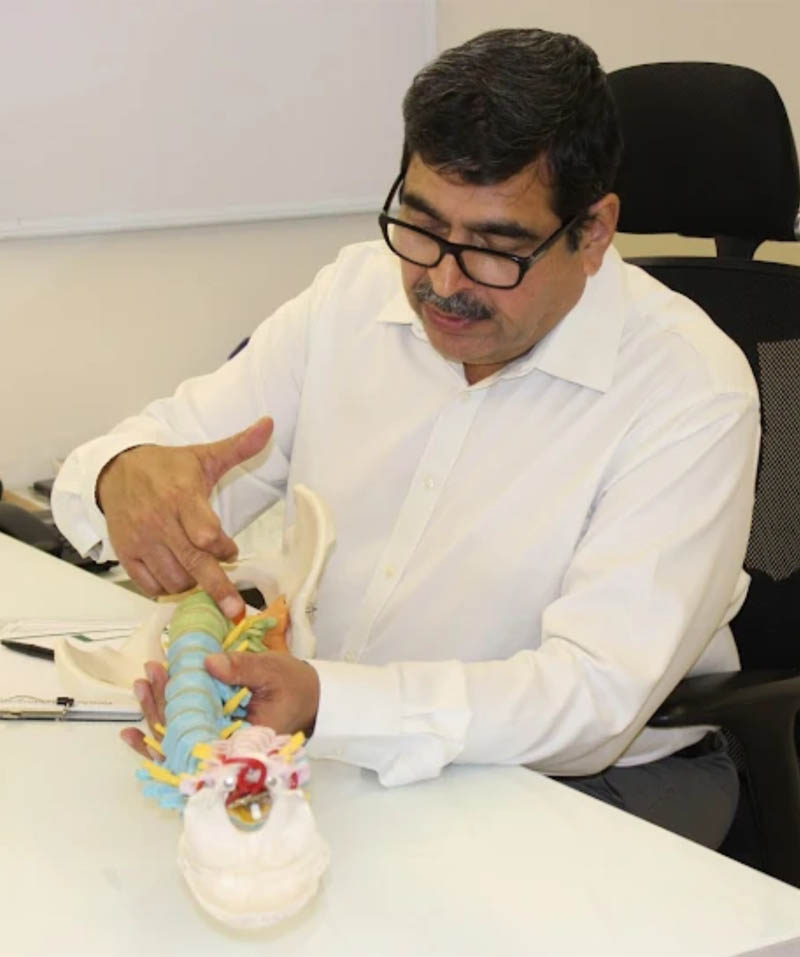
Reviewed by Dr. Harshavardhan Hegde
This content has been written by the Panchsheel Orthopaedic & Physiotherapy Team and reviewed by Dr. Harshavardhan Hegde, who has over 38 years of experience in orthopaedics and spine care, ensuring that all information is accurate, reliable, and up-to-date. Our team is committed to providing evidence-based guidance to help patients make informed decisions about their musculoskeletal health.